46 Years of Screams: A Deep Dive into the History of Alton Towers
- #Years
- #Screams
- #Deep
- #Dive
- #Into
- #History
Journey through 46 years of Alton Towers history! From the legendary Corkscrew to The Smiler, we explore every era, lost rides, and what's next for the UK's best park.
Stepping through the turnstiles at Alton Towers is more than just entering a theme park; it’s stepping into a living, breathing storybook of British leisure history. For those of us who have grown up with the park, its evolution feels intertwined with our own. The rides we were once too small for are now cherished memories, and the pathways we tread are layered with the ghosts of attractions past. Today, in 2025, as we look back over an incredible 46 years since its official opening as a modern theme park, it’s the perfect time to take a deep, nostalgic dive into the history of this magical place.
From a stately home with magnificent gardens to a global player in the world of themed entertainment, Alton Towers’ journey is one of innovation, ambition, and a relentless pursuit of thrills. It’s a story of ground-breaking technology, legendary marketing, and the creative genius of figures like John Wardley who transformed the Staffordshire landscape into a fantasy world. It’s a story told in steel, wood, water, and fire.
This isn't just a list of opening dates. This is the Unofficial Alton Towers definitive look back. We’ll unearth the secrets of the ‘Secret Weapon’ projects, pay our respects to the fallen giants that once dominated the skyline, and explore how the park has morphed and changed through different ownerships and eras. We’ll relive the moments that made us scream with terror and delight, and look forward to what the future holds for our beloved Towers. So, strap in, pull down your restraint, and prepare for dispatch on a journey through 46 years of pure, unadulterated fun. If this trip down memory lane inspires you to create your own memories, you can plan your visit and be part of the next chapter in the park's incredible story.
The Pre-Theme Park Era: From Talbot Stronghold to Public Gardens
Before the roar of coasters and the delighted screams of guests, the Alton Towers estate was a place of serene, aristocratic splendour. To truly understand the park we love today, you have to go back centuries, to its origins as the seat of the Earls of Shrewsbury. The iconic, gothic-revival Towers themselves weren’t built as a theme park ticket office; they were a magnificent country house, a vision brought to life by the 15th Earl, Charles Talbot, in the early 19th Century.
It was the 15th and 16th Earls who were the original imagineers of this valley. They didn't have B&M or Intamin at their disposal, but they had a grand vision for the landscape. They enlisted the finest architects and landscape designers of the day, like Augustus Pugin, to create one of the most celebrated and spectacular private gardens in all of Europe. The features we can still enjoy today – the beautiful Conservatory, the tranquil Chinese Pagoda Fountain, the charming Swiss Cottage, and the grand Flag Tower – are all authentic remnants of this aristocratic past. These aren't just props; they are genuine historical treasures that give Alton Towers a unique character unmatched by any purpose-built park.
Walking through the gardens today, perhaps on a quieter morning before the ride queues build, is like stepping back in time. You can almost imagine the Victorian gentry strolling these same paths, marvelling at the exotic plants in the Conservatory or taking a boat out on the lake. It's this deep well of genuine history that provides the perfect, atmospheric backdrop for the park's many myths and legends, most notably the story of the chained oak which directly inspired the legendary Hex attraction.
The Transition to a Public Attraction
The golden age of the Earls came to an end, and by the 20th century, the family fortune had dwindled. The estate was sold off in 1924, passing into the hands of a group of local businessmen, including property developer William Bagshaw. They recognised the immense public appeal of the gardens and Towers and opened them as a tourist attraction. For decades, Alton Towers was a popular destination for a day out in the country. Visitors could explore the gardens, have a picnic, and enjoy the genteel atmosphere, with small funfairs often setting up on the grounds during the summer months.
This was the park's gentle first chapter. It wasn’t a theme park yet, but the seeds were sown. The idea of Alton Towers as a place for public entertainment and escape was firmly established. It was this foundation that property developer John Broome saw when he acquired a controlling stake in the late 1970s, paving the way for the revolution that was to come.
The Dawn of a Theme Park: The Tussauds Era Begins (1980-1990)
- This is the year it all changed. This is the year Alton Towers as we know it was truly born. John Broome, having taken control, invested heavily to transform the estate into a major theme park. His vision was clear: to create the UK's answer to Disneyland. The centrepiece of this grand new vision was a ride that would become an icon of British pop culture: The Corkscrew.
Opening on 4th April 1980, the Vekoma-built double-looping rollercoaster was, for many Britons, their first taste of a modern, high-thrill steel coaster. It was an instant sensation. Its bright yellow track, twisted into two perfect, head-over-heels corkscrews, became the park's signature image. It dominated merchandise, TV adverts, and the front of every park map. The image of the Corkscrew, with the Towers in the background, is seared into the collective memory of a generation. It wasn't the biggest, fastest, or longest coaster in the world, not by a long shot. But it was *ours*. It symbolised a new era of leisure in the UK, and its impact cannot be overstated. It put Alton Towers firmly on the map as a destination for thrills.
Building the Foundations of a Modern Park
The 1980s were a whirlwind of development. Alongside the Corkscrew, the park rapidly added a portfolio of classic theme park attractions that would become beloved favourites for years to come.
- The Log Flume (1981): A sprawling, classic flume ride that was a staple of the park for an incredible 34 years. Its final, soaking double-drop was a rite of passage for countless families. You weren't a true Alton Towers fan until you'd come off The Flume absolutely drenched.
- The Black Hole (1984): An enigma wrapped in a giant green tent. This was an intense, enclosed Schwarzkopf Jet Star 2 coaster that plunged riders into total darkness. The fear came from the unknown. You couldn't see the turns, the dips, or the helices, making it feel infinitely faster and more chaotic than it actually was. Its eventual upgrade to the ‘Black Hole II’ with a new train only added to its legendary status.
- The Grand Canyon Rapids (1987): A classic river rapids ride from Intamin, the same manufacturer behind many of the world's best water rides. It offered a different kind of thrill – the shared experience of getting spun, bumped, and potentially soaked with a boatful of friends or family.
- The Skyride (1987): A purely practical but utterly essential addition. Recognising the park's enormous, sprawling and hilly layout, the Tussauds Group (who purchased the park from John Broome in 1990) installed the Von Roll monorail-style Skyride. It connected Towers Street, Forbidden Valley, and Cloud Cuckoo Land, saving countless tired legs and offering breathtaking views of the gardens and rides below.
This decade was about establishing the formula. It introduced the 'pay-one-price' admission model, a revolutionary concept in the UK at the time, and created distinct themed areas like Aqua Land (later to become Katanga Canyon), Fantasy World (later Cloud Cuckoo Land), and Talbot Street (now Towers Street). The Tussauds Group's acquisition in 1990 marked the end of the beginning. They brought with them a new level of investment, imagination, and a marketing prowess that would launch Alton Towers into a golden age. For many fans, this period is the ultimate nostalgia trip, and if you want to relive those early memories or see what the fuss was about, it's worth checking out prices to book a short break and immerse yourself in the park's unique atmosphere.
What Happened to the Original Alton Towers Rides?
For every shiny new attraction that opens at Alton Towers, there’s often a bittersweet farewell to an old favourite. The park's landscape is constantly evolving, and due to space constraints, technological advancements, or changing tastes, some of the most iconic rides in UK theme park history have been retired. For long-time fans, these are more than just defunct machines; they're cherished memories. Let's pour one out for some of the fallen giants.
The Corkscrew (1980 - 2008)
The original icon. After 28 years and millions of riders, the Corkscrew was dismantled in 2008. While thrilling in its day, by the 2000s it had become notoriously rough and uncomfortable, a relic of a bygone era of coaster design. Its removal was necessary to make way for the next generation of thrill machine, TH13TEEN. However, the park paid tribute to its legendary status. The iconic double-corkscrew element was saved, repainted, and now stands as a stunning piece of abstract art at the main entrance plaza on Towers Street, a permanent reminder of the ride that started it all.
The Thunder Looper (1990 - 1996)
Arguably one of the most lamented lost rides. The Thunder Looper was a Schwarzkopf shuttle loop coaster with a simple but terrifying premise: a powerful weight-drop launch from 0-60mph in just over 2 seconds, up a steep spike, through a vertical loop *backwards*, and up another spike before repeating the circuit in reverse. It was brutally intense and incredibly exciting. Its famous marketing slogan was "I've ridden the Thunder Looper!" Unfortunately, its sheer noise level, echoing across the valley, led to planning disputes. Combined with its limited capacity, its time at the park was short-lived. It operated for just six seasons before being sold, leaving a massive gap in the hearts of adrenaline junkies.
The Black Hole (1984 - 2005)
After over two decades of disorienting riders in the dark, the tent finally came down on The Black Hole in 2005. The ride was dismantled and would later reappear, painted orange, at a park in Sweden. The huge plot of land it occupied sat empty for years, a tantalising space for fan speculation, until it finally became the construction site for the most complex coaster in the park's history: The Smiler.
The Log Flume (1981 - 2015)
The end of an era. After 34 years of service, The Flume took its final splashdown at the end of the 2015 season. It was one of the park’s original signature attractions and a huge family favourite. Its closure was met with genuine sadness from fans who had grown up with it. The reason? To make way for the park's next 'Secret Weapon' project, SW8, which would ultimately be revealed as the spectacular wooden coaster, Wicker Man.
Other notable departures include The Beast and The Beastie (smaller coasters that thrilled younger guests), the disorienting Energizer/Bone Shaker, the powerful swinging arms of Submission, and the wonderfully themed Toyland Tours boat ride. Each removal paved the way for something new, a constant cycle of renewal that keeps the park fresh, even if it means saying goodbye to a piece of our childhood. For more information on the park's entire attraction history, you can find our more on our blog.
The "Secret Weapon" Golden Age (1991-2002)
If the 80s were about establishing Alton Towers, the 90s were about shattering expectations. The Tussauds Group, with their flair for storytelling and marketing, ushered in a golden age of development. At the heart of this was legendary ride designer John Wardley and the ingenious concept of the 'Secret Weapon' (SW) projects.
This wasn't just a construction codename; it was a marketing masterstroke. Each new major coaster was shrouded in mystery, given an 'SW' designation, and teased relentlessly to the press and public. It built a level of hype and anticipation never before seen for a theme park ride in the UK. Fans would scour for clues, debate rumoured specs, and eagerly await the final reveal. This era defined Alton Towers as a park that didn't just build coasters; it built legends.
SW3: Nemesis (1994)
This is it. The game-changer. Ask any coaster enthusiast in the world to name the best inverted rollercoasters, and Nemesis will be on their list. It might even top it. In the early 90s, Alton Towers faced a problem: strict planning restrictions meant they couldn't build coasters above the tree line. John Wardley's solution was breathtakingly simple and utterly brilliant: if you can't build up, build *down*.
They blasted gigantic pits and trenches out of the Staffordshire rock, creating a custom-made canyon for the ride to tear through. The result was a Bolliger & Mabillard (B&M) inverted coaster that felt impossibly fast and intense as it hugged the terrain, diving into tunnels and twisting through near-misses with the rockface and station building. But it was the theming that elevated it to iconic status. Nemesis wasn't just a ride; it was a captured alien creature, its metallic form thrashing wildly, held in place by the very structure of the station. The rust-red water, the alien carcass, the militaristic theming – it was a complete, immersive experience. Nemesis redefined what a UK theme park attraction could be. The 2024 re-track and repaint, transforming the creature into 'Nemesis Reborn', has only cemented its legendary status, ensuring it will thrill guests for decades to come, and is a key reason for many to hold a Merlin Annual Pass to ride it again and again.
SW4: Oblivion (1998)
How do you follow Nemesis? You do something completely different. For Secret Weapon 4, the park once again turned to B&M to create another world's first: the Dive Machine. The concept was terrifyingly simple. After a slow climb and a suspenseful turn, the train would stop, hanging you face-down over the edge of a vertical drop into a black hole. "Don't Look Down."
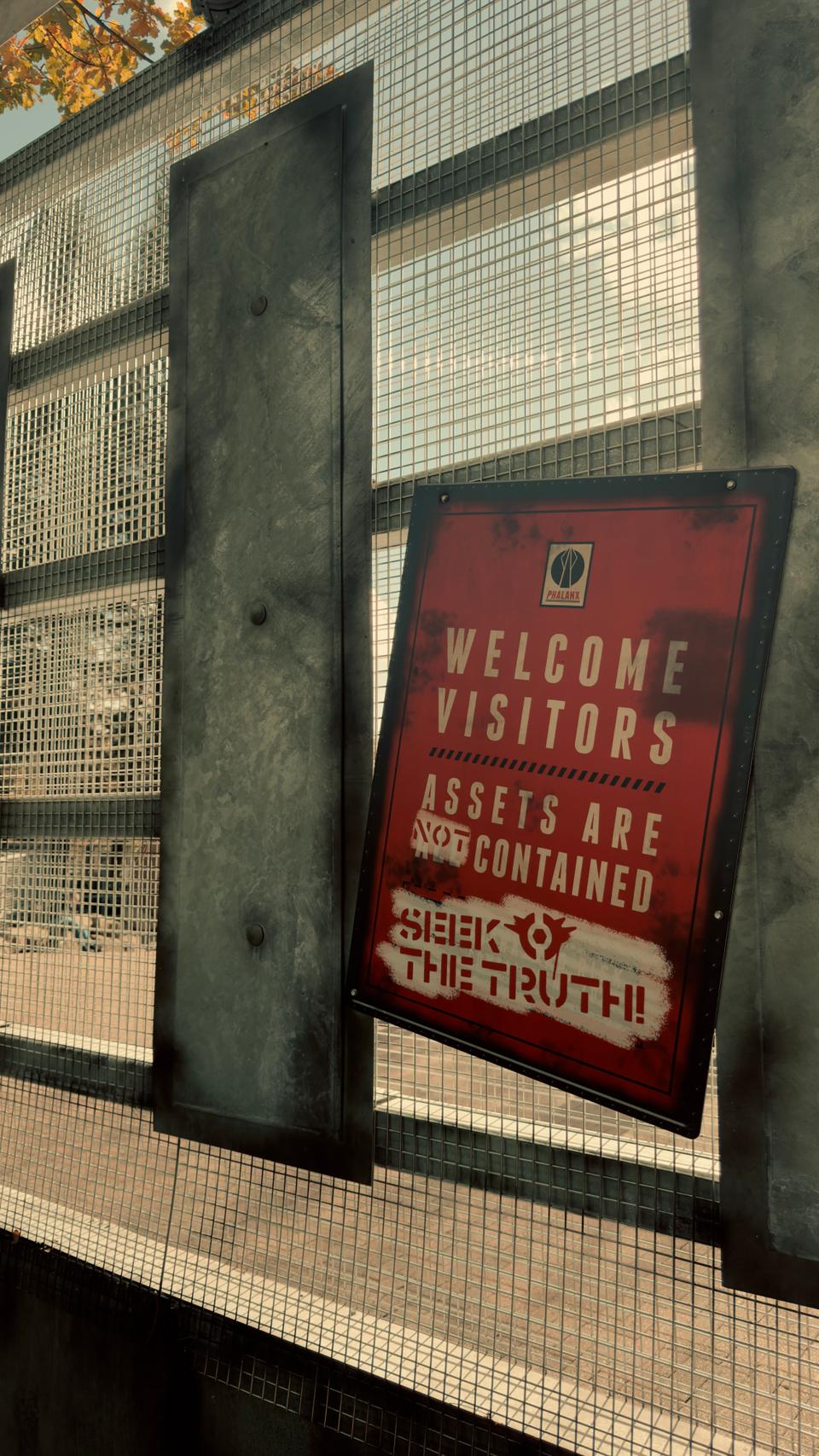
That slogan was everywhere. The marketing was pure psychological horror. TV adverts showed test dummies plummeting into the abyss, and the ride area, themed as a shadowy organisation called 'The Phalanx', was minimalist and unnerving. Oblivion was, and is, a one-trick pony, but it's the best trick in the book. That moment of absolute surrender as you hang over the edge, waiting for the drop, is still one of the most intense feelings you can experience in any theme park. It was another smash hit, proving the 'Secret Weapon' formula was no fluke. You can see the specs and stats for these incredible machines in our full rides guide.
SW5: Air (2002)
The final 'Secret Weapon' of this golden Tussauds era was SW5. The rumour mill was in overdrive: what could possibly come next? The answer was another B&M world's first for the park: a 'Flying' coaster. Codenamed 'Air' in development, the park loved the name so much they kept it.
Instead of sitting down or hanging below the track, riders were tilted forward into a prone, flying position. The ride experience was designed not for intense, aggressive thrills, but for grace and elegance. It was about simulating the feeling of flight. The track swooped and soared through an 'Oasis' of greenery and tunnels, with two signature 'fly-to-lie' elements where riders were flipped onto their backs and back over again. Located in the Forbidden Valley area, its aesthetic was a deliberate contrast to the aggressive, industrial feel of its neighbour, Nemesis. It was a beautiful, unique, and utterly mesmerising experience. While it was later re-themed to Galactica with a short-lived VR experiment, for many purists, it will always be Air, the ride that taught us to fly.
The Merlin Era: Expansion and Family Focus (2007-2015)
In 2007, the Tussauds Group was acquired by Merlin Entertainments, the global attractions giant behind brands like LEGO, SEA LIFE, and Madame Tussauds. This marked another seismic shift in the park's history. The Merlin era has been characterised by huge investment, a greater focus on intellectual property (IP), and a significant expansion of the family-friendly and resort offerings.
While the hardcore thrill-seekers might grumble about a shift away from the pure, story-driven 'Secret Weapon' model of the 90s, there's no denying the positive impact Merlin's investment has had. They transformed Alton Towers from a day-trip destination into a multi-day resort, adding more hotel rooms, an entire waterpark, and a much broader appeal.
CBeebies Land (2014)
Perhaps the most significant development of this era, and a masterstroke from Merlin, was the creation of CBeebies Land. Replacing the tired Cloud Cuckoo Land and Storybook Land areas, the park partnered with the BBC to bring some of the UK's most beloved children's characters to life. This wasn't just a couple of character meet-and-greets; it was a fully immersive, 14-ride-and-attraction land dedicated to pre-schoolers.
From riding the Octonauts Rollercoaster Adventure to posting a letter with Postman Pat, the attention to detail was exceptional. It instantly made Alton Towers the undisputed number one UK destination for families with young children. It provided a perfect balance to the park's high-thrill offerings and ensured a new generation would grow up with Alton Towers as their 'home' park. This addition single-handedly broadened the park's demographic and is a key reason many young families grab day passes during the school holidays.
SW6: TH13TEEN (2010)
Merlin's first 'Secret Weapon' project was a clever and deceptive one. Marketed as the 'ultimate rollercoaster' and the 'scariest ride in the UK', the hype machine went into overdrive. The branding was dark, psychological, and hinted at a terrifying physical and mental experience. SW6 was eventually revealed as TH13TEEN, a family-thrill coaster from Intamin with a secret twist.
Located in the newly re-themed 'Dark Forest' on the site of the old Corkscrew, the ride is a fast, fun, and backwards-moving coaster that weaves through the haunted woods. But its ace in the hole is a world's-first element: a vertical freefall drop section... in the dark. The track literally drops beneath you before you're launched backwards out of the crypt. While some thrill-seekers felt the marketing oversold the intensity, the surprise drop element is a fantastic gimmick that still catches first-time riders completely off guard. It cleverly bridges the gap between family rides and the big thrill coasters.
SW7: The Smiler (2013)
For their next 'Secret Weapon', Merlin went all-out. SW7 was a statement. Built on the former site of The Black Hole, The Smiler was designed with one goal in mind: to break the world record for the most inversions on a coaster. And it did, with a staggering 14 inversions packed into its tangled, knot-of-steel layout.
Theming was centred around a mysterious government organisation called 'The Ministry of Joy' and a giant, hypnotic metal structure known as 'The Marmaliser', designed to make you 'smile, always'. The Gerstlauer-built Infinity Coaster is relentlessly disorienting. It's a non-stop barrage of loops, corkscrews, and dives that leaves you breathless and dizzy. The ride's history is complex; its opening was beset with technical issues, and a serious incident in 2015 rightly put the park's safety procedures under intense scrutiny, leading to vital improvements across the industry. Yet, today, The Smiler stands as one of the park's most popular and in-demand attractions, a testament to its sheer, mind-bending intensity. Its marathon queues often make it a prime candidate for using the park's paid queue-skipping options, something regular visitors with a season pass often consider on busy days while checking the live queue times.
Navigating the Eras: How the Park Layout Has Evolved
Alton Towers is a park of immense size, and its layout is not the simple 'hub-and-spoke' design you see in many purpose-built parks. Its geography is dictated by the historic gardens, the deep valley, and the titular Towers at its heart. Navigating it is part of the experience, and understanding how its themed areas have changed over the decades is a fascinating history lesson in itself.
If you're a first-time visitor, one of the best things you can do is grab our interactive park map on your phone. It not only shows you where you are but also helps you appreciate the sheer scale of the place.
From Themed Lands to Immersive Worlds
- Towers Street: The grand entrance has remained largely consistent since its creation in the 80s, designed to look like a nostalgic British high street. It provides the 'wow' moment as you walk down it and the Towers and lake come into view.
- Katanga Canyon: Originally 'Aqua Land', this area was re-themed in 1992 with an African-inspired design to coincide with the opening of the Runaway Mine Train. The Congo River Rapids (formerly Grand Canyon Rapids) and the new theming created one of the park's most cohesive and atmospheric areas, which still feels brilliant today.
- Gloomy Wood & Forbidden Valley: The arrival of Nemesis in 1994 transformed the old 'Thunder Valley' area into the militaristic Forbidden Valley. The path up to it was also themed, becoming the spooky Gloomy Wood, home to the Duel haunted house ride (and now The Curse at Alton Manor). This shows how one mega-attraction can redefine an entire section of the park.
- X-Sector: Built for Oblivion in 1998, this area took a corner of the park and gave it a cold, sinister, quasi-industrial theme. The arrival of The Smiler in 2013, with its 'Ministry of Joy' theming, was cleverly written to be an extension of The Phalanx's secretive government experiments, linking the two rides thematically.
- The Dark Forest: For years, this was the home of the Corkscrew and the Ug Land area, themed around dinosaurs and cavemen. In 2010, the entire land was re-imagined as the creepy, overgrown Dark Forest to house TH13TEEN and Rita (formerly known as Rita - Queen of Speed).
- CBeebies Land: The biggest transformation of all. The demise of the whimsical but dated Cloud Cuckoo Land and Storybook Land in 2013 made way for the vibrant, modern, and hugely popular CBeebies Land, completely changing the character of the northern end of the park.
This constant evolution is part of what makes repeat visits so rewarding. An area you knew from five years ago might be completely different today, offering new stories and experiences. An unlimited visits with an Annual Pass truly allows you to watch the park grow and change, season by season.
From Secret Weapons to World-Class IP: The Modern Era (2016-Present)
In recent years, Alton Towers' strategy has shown a sophisticated blend of respecting its 'Secret Weapon' heritage while also embracing the commercial power of third-party Intellectual Property (IP). This hybrid approach has led to some of the most creative and engaging attractions in the park's history.
SW8: Wicker Man (2018)
After a six-year gap, the 'Secret Weapon' designation returned for SW8. The park community was buzzing. The chosen location—the site of the much-loved Flume—led many to believe a water ride was on the cards. The reveal was something far more primal and exciting: the park's first wooden rollercoaster in over 20 years, and the first in the world to fuse wood and fire.
Built by Great Coasters International (GCI), Wicker Man is a masterclass in theming and atmosphere. The ride is built around a secretive pagan group, the Beornen, who are inviting outsiders to their festival, only to sacrifice them to the giant, ram-headed Wicker Man effigy that stands at the ride's centre. The pre-show sets the scene perfectly, and the ride itself is a thrilling, chaotic dash through the structure, culminating in three passes through the giant Man as fire and smoke erupt from its chest. It's not the tallest or fastest ride, but its combination of classic wooden coaster thrills, incredible theming, and the visceral heat of the fire make it a world-class, five-star attraction.
The World of David Walliams & The Curse at Alton Manor
The IP-driven approach continued with the opening of 'The World of David Walliams' in 2021, featuring the headline attraction 'Gangsta Granny: The Ride'. Taking over the old Cloud Cuckoo Land buildings and the Wobble World show arena, this dark ride is a delightful, effects-laden journey through the story of the popular children's book. It's funny, charming, and uses a brilliant combination of physical sets, screens, and sensory effects (like the smell of cabbage soup!) to bring the story to life.
More recently, in 2023, the park unveiled 'The Curse at Alton Manor'. This was a huge deal for fans. It replaced the tired 'Duel' laser-shooting ride, but more importantly, it was a return to an original, park-created story. It revisited the haunted house theme with a modern, high-tech twist, telling the story of Emily Alton. The ride is a stunning throwback to classic ghost trains but elevated with incredible effects, detailed scenes, and genuine scares. It proved that the park's in-house creative teams could still deliver an A-tier attraction without relying on an external IP, a fact that has delighted long-time supporters.
Remembering the Legendary Alton Towers Events Through the Years
Alton Towers' history isn't just about the rides; it's also about the incredible events that transform the park throughout the season. These events have created their own traditions and have become as much of a draw as the coasters themselves.
Scarefest
Introduced in 2007, Scarefest has grown to become the UK's premier theme park Halloween event. What started with a couple of scare mazes has evolved into a park-wide spooky takeover. Every October, the park is adorned with pumpkins and spooky decorations, rides open late into the night, and a series of terrifying, movie-quality scare attractions are built.
From long-running fan favourites like 'The Altonville Mine Tours' to the claustrophobic 'Sub Species', the mazes are infamous for their intensity. The event creates a completely different atmosphere in the park, and riding coasters like Nemesis or Wicker Man in the pitch-black darkness is a whole new level of thrill. It's an absolute must-do for any thrill-seeker.
The Ultimate Fireworks Spectacular
For many, the Alton Towers fireworks display is the definitive end to the theme park season. Held over a weekend in early November, this isn't just a few rockets set off over the lake. It's a colossal, sky-filling display choreographed to music and lasers, celebrating the park's story. Tens of thousands of people gather on the lawns opposite the Towers for what is consistently one of the biggest and best pyrotechnic displays in the country. It's a tradition that goes back decades and remains a truly magical way to end the year.
Over the years, the park has also hosted huge concerts featuring major pop acts, beer festivals (Oktoberfest), and Mardi Gras-inspired carnivals, all adding extra layers of value and reasons to visit. These events are often the busiest days of the year, so if you're planning a trip for one, be sure to head over to our detailed plan your visit guide for tips on managing the crowds.
What’s Next for Alton Towers? A Look to the Future
The story of Alton Towers is far from over. The park is constantly looking to the future, with several exciting projects rumoured or confirmed to be on the horizon. For dedicated fans, following the planning applications and construction updates is part of the fun!
Project Horizon: An Indoor Thrill
The most significant project currently in development is codenamed 'Project Horizon'. Planning documents have revealed this will be a large, indoor attraction located in the southwest corner of the park, near the former site of the Black Hole and The Smiler. The plans point towards a multi-launch, high-thrill indoor rollercoaster, potentially with a significant theming component. The sheer size of the show building suggests this will be a major new E-ticket attraction, and speculation is rampant about its theme and ride system. Could this be SW9? All eyes are on that construction site for a potential 2026 or 2027 opening.
Refreshing the Old Favourites
Alongside building new attractions, the park is investing heavily in its existing lineup. The 'Nemesis Reborn' project in 2024, which saw the entire track of the iconic coaster replaced piece by piece, was a statement of intent. It showed a commitment to preserving the park's heritage while ensuring it meets modern standards. We're also expecting facelifts and re-themes for other aging areas and attractions in the coming years. What could become of the X-Sector once Project Horizon opens? Will Katanga Canyon ever see a new ride? It’s an exciting time to be a fan.
The park's ability to blend its unique heritage, its beautiful natural setting, and its relentless pursuit of the next big thing is what will secure its future for the next 46 years and beyond.
A Place of Perpetual Magic and Memories
From the revolutionary loops of the Corkscrew to the fiery effigy of Wicker Man, the history of Alton Towers is a tapestry woven with innovation, ambition, and pure, unadulterated joy. It's a park that has never stood still. It has adapted, evolved, and consistently pushed the boundaries of what a theme park can be. It has respected its aristocratic past while a creating thrilling future, building a world where gothic towers and flying rollercoasters can coexist in perfect harmony.
It’s a place that connects generations. The parent who nervously rode The Beastie in the 80s can now watch their own child bravely board the Octonauts coaster. The teenager who marvelled at Nemesis in 1994 can now experience the reborn version, its roar just as mighty as it was thirty years ago. These shared experiences, these rites of passage, are the true magic of Alton Towers.
Whether you're a hardcore coaster enthusiast chasing the next adrenaline hit, a family looking to make magical memories in CBeebies Land, or a history buff enchanted by the glorious gardens, Alton Towers has something for you. Its 46-year journey has been nothing short of spectacular, and its future looks just as bright. There has never been a better time to be a fan, and there has never been a better time to visit. Dive into the story, feel the history beneath your feet, and create your own chapter in the park's incredible legacy. Book your tickets today and come and see for yourself why Alton Towers remains the undisputed king of UK theme parks.
Unlock the Magic.
Secure your entry to the UK's most legendary theme park — your details pre-filled at the official checkout.
Opens on altontowers.com. We may earn a commission on bookings made through this link — at no extra cost to you.
You might also like
Hand-picked from the topics covered in this post.